Commercial property owners in Farmingdale face a critical question every budget cycle: what will property maintenance cost for the coming year? Unlike residential properties, commercial spaces demand consistent upkeep to maintain curb appeal, ensure safety, and protect property value. This guide breaks down the actual costs you can expect, the factors that influence pricing, and how to plan your maintenance budget effectively.
Property maintenance cost varies widely based on property size, service frequency, and seasonal needs. A small office building requires different care than a multi-acre retail center or industrial park. Understanding these distinctions helps you compare quotes accurately and avoid surprise expenses.
Average Commercial Property Maintenance Costs in Farmingdale
For a typical commercial property between 10,000 and 25,000 square feet in Farmingdale, expect to budget $1,200 to $3,500 monthly for comprehensive property maintenance services. This range covers regular lawn care, seasonal cleanups, snow removal, and basic landscape upkeep.
Smaller properties under 10,000 square feet often fall in the $600 to $1,500 monthly range, while larger commercial complexes exceeding 50,000 square feet can easily reach $5,000 to $10,000 or more per month. These figures assume year-round service contracts that bundle multiple maintenance tasks.
Annual contracts typically offer better value than month-to-month arrangements. Most commercial property maintenance providers in the Farmingdale area structure pricing to reward long-term commitments, often reducing monthly costs by 10 to 20 percent compared to seasonal or one-time service rates.
Property maintenance cost also depends heavily on the specific services included. A basic package covering mowing, edging, and blowing might start around $400 monthly for a small property, while comprehensive care including fertilization, irrigation management, and seasonal plantings increases that baseline substantially.
What Services Are Included in Commercial Property Maintenance
Understanding exactly what you receive for your investment prevents confusion and ensures you compare apples to apples when evaluating proposals. Commercial property maintenance encompasses far more than just cutting grass.
Regular Lawn and Landscape Care
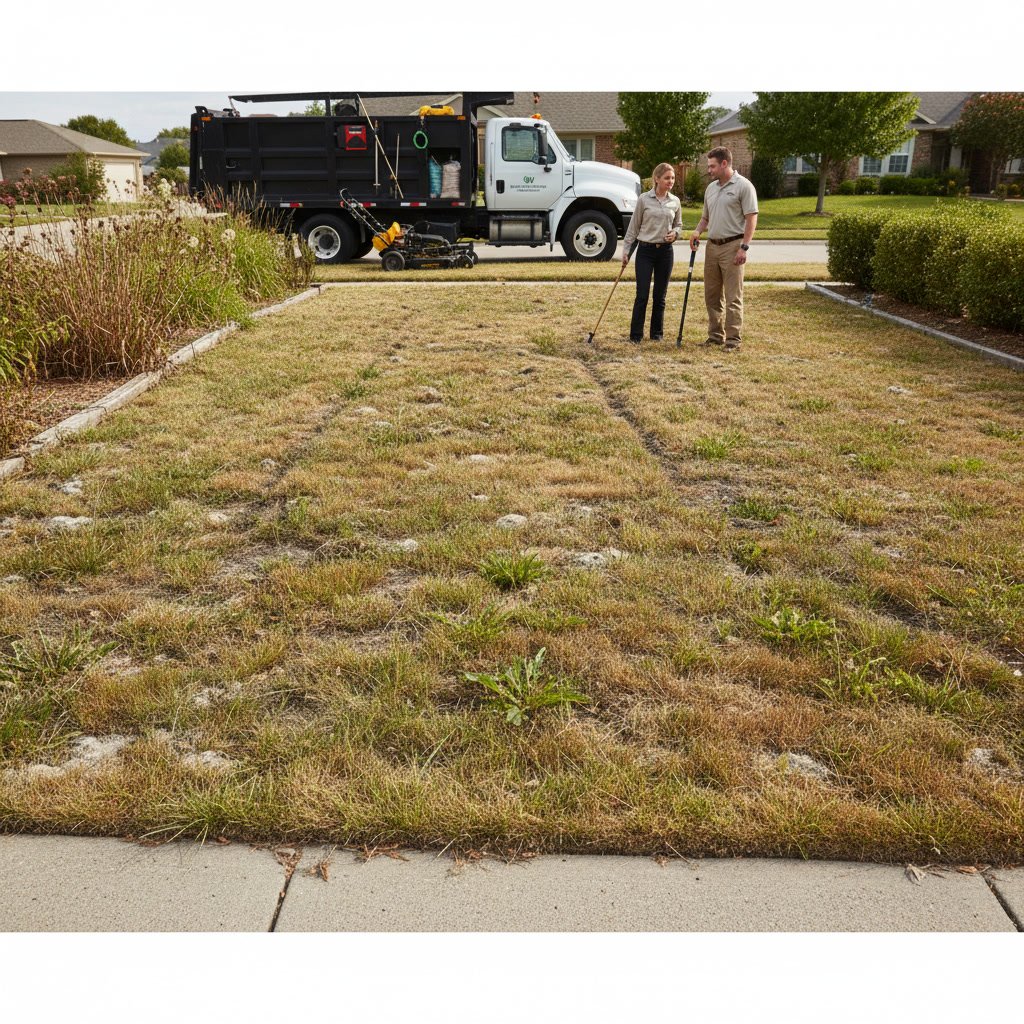
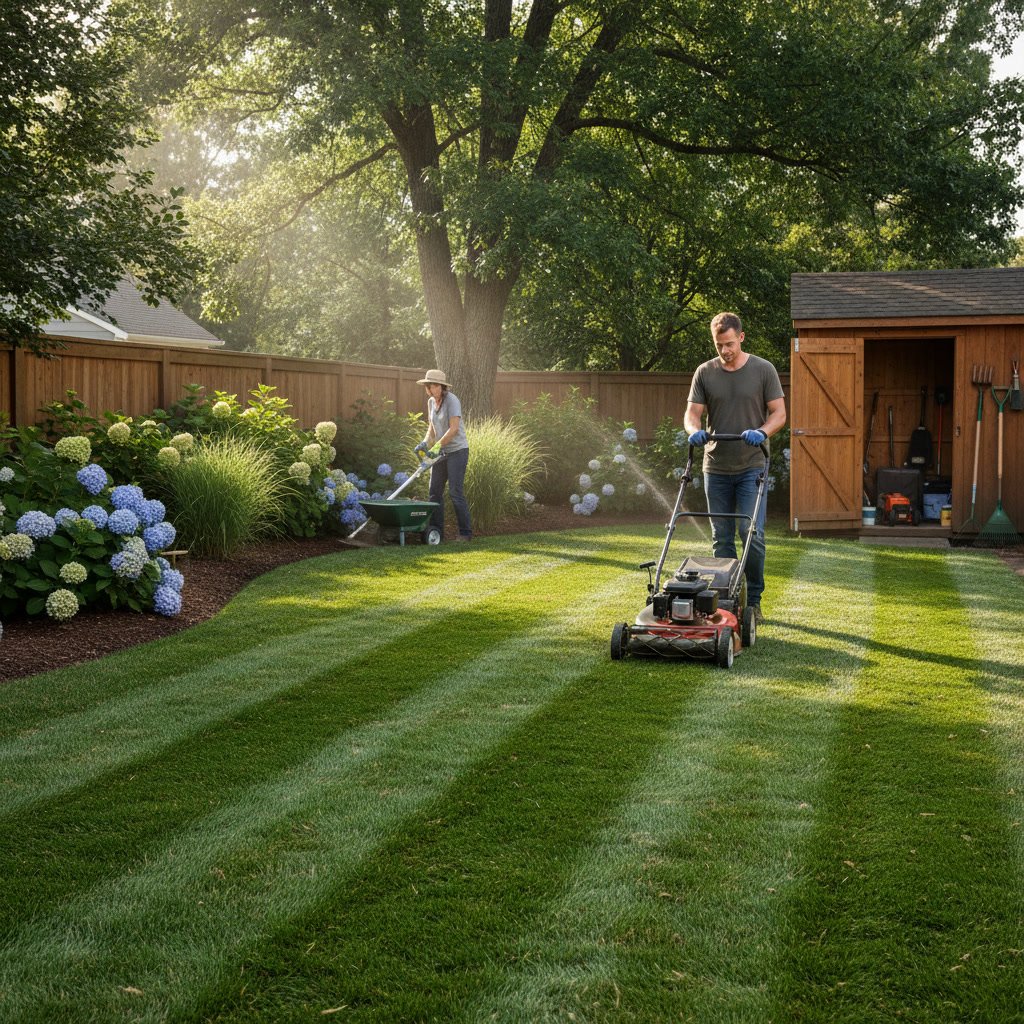
Weekly mowing during the growing season forms the foundation of most maintenance contracts. This includes edging along walkways and parking areas, string trimming around obstacles, and debris removal. Quality lawn and landscape care maintains a professional appearance that reflects positively on your business.
Shrub trimming, bed weeding, and mulch refreshing typically occur monthly or quarterly depending on your landscape’s complexity. These services prevent overgrowth and maintain defined bed edges that signal attention to detail.
Seasonal Services
Spring and fall seasonal cleanup addresses leaf removal, branch pickup, and preparation for weather extremes. These transitional services often represent significant cost events, ranging from $800 to $3,000 depending on property size and tree coverage.
Winter snow removal adds considerable expense in Long Island’s climate. Commercial properties require priority plowing and salting to maintain safe access for customers and employees. Snow contracts typically charge per push, per inch, or via seasonal flat rates. Budget $100 to $500 per plowing event for average-sized commercial lots.
Specialized Treatments
Fertilization programs, pest control, and disease management protect your landscape investment. These applications occur three to six times annually and add $150 to $600 per treatment depending on turf area. Proper fertilizing schedules prevent costly turf replacement down the line.
Irrigation system maintenance ensures efficient water use and prevents damage from freeze-thaw cycles. Spring activation and fall winterization each cost $150 to $400, while mid-season adjustments and repairs bill separately as needed.
Factors That Affect Property Maintenance Cost
Several variables influence how much you will ultimately pay for commercial property maintenance in Farmingdale. Understanding these factors helps you anticipate costs and make informed decisions about service levels.
Property Size and Complexity
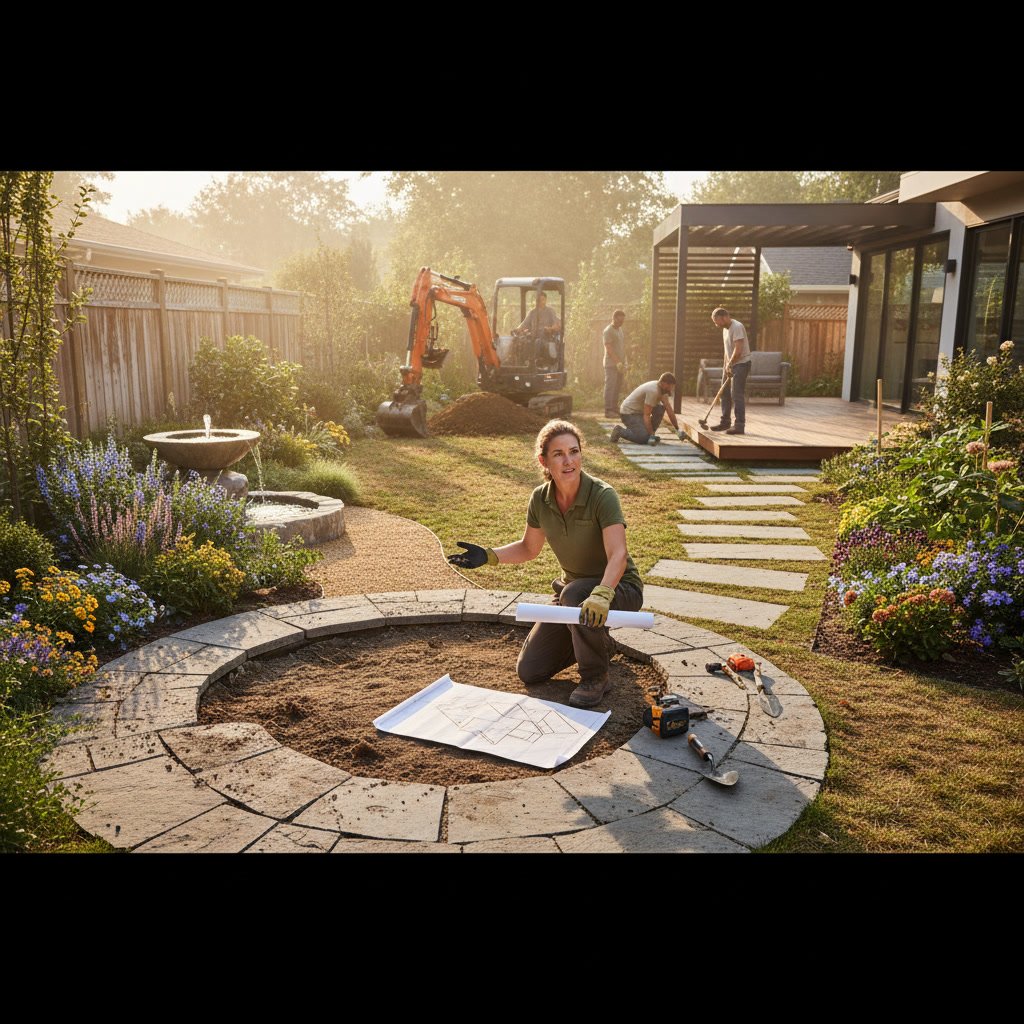
Square footage drives baseline pricing, but landscape complexity matters equally. A property with extensive planting beds, mature trees, water features, and hardscape elements requires more labor than an equivalent-sized property with primarily turf.
Accessibility also impacts cost. Properties with tight corners, multiple buildings, or limited equipment access take longer to service, increasing labor expenses. Sites requiring hand work instead of riding equipment can see costs increase 30 to 50 percent.
Service Frequency and Scope
Weekly mowing costs more annually than bi-weekly service, but it maintains superior appearance during peak growth. Most commercial properties opt for weekly service from April through October, then reduce frequency or pause entirely during dormancy.
The difference between basic maintenance and full-service care can double or triple your annual budget. Basic packages focus on mowing and cleanup, while comprehensive programs include fertilization, pest control, seasonal color, mulch refresh, and proactive plant health care.
Pro Tip: Request itemized proposals that break out individual services. This transparency allows you to adjust scope to match budget constraints and add services incrementally as needs evolve or budgets allow.
Location Within Farmingdale
Service providers factor in travel time and routing efficiency when pricing contracts. Properties clustered near other clients often receive better rates than isolated locations requiring dedicated trips. Your Farmingdale location relative to service providers’ operational hubs influences pricing subtly but measurably.
Zoning and municipal requirements also affect costs. Some Farmingdale commercial districts mandate specific maintenance standards, require licensed applicators for certain treatments, or impose restrictions on service hours that increase operational complexity.
How to Budget for Year-Round Commercial Property Maintenance
Effective budgeting accounts for both predictable recurring costs and occasional major expenses. Most commercial property managers allocate 10 to 15 percent of their overall facility budget to exterior maintenance, though this percentage varies by property type and tenant expectations.
Start by identifying your baseline needs. Calculate the annual cost of weekly mowing, monthly bed maintenance, quarterly treatments, and seasonal cleanups. Add snow removal using either historical average costs or a worst-case seasonal estimate if your provider offers per-event pricing.
Build a capital improvement reserve for periodic upgrades. Even well-maintained landscapes require periodic enhancements. Budget $2,000 to $10,000 annually for items like irrigation repairs, tree removal, plant replacement, or hardscape restoration. These expenses occur irregularly but inevitably.
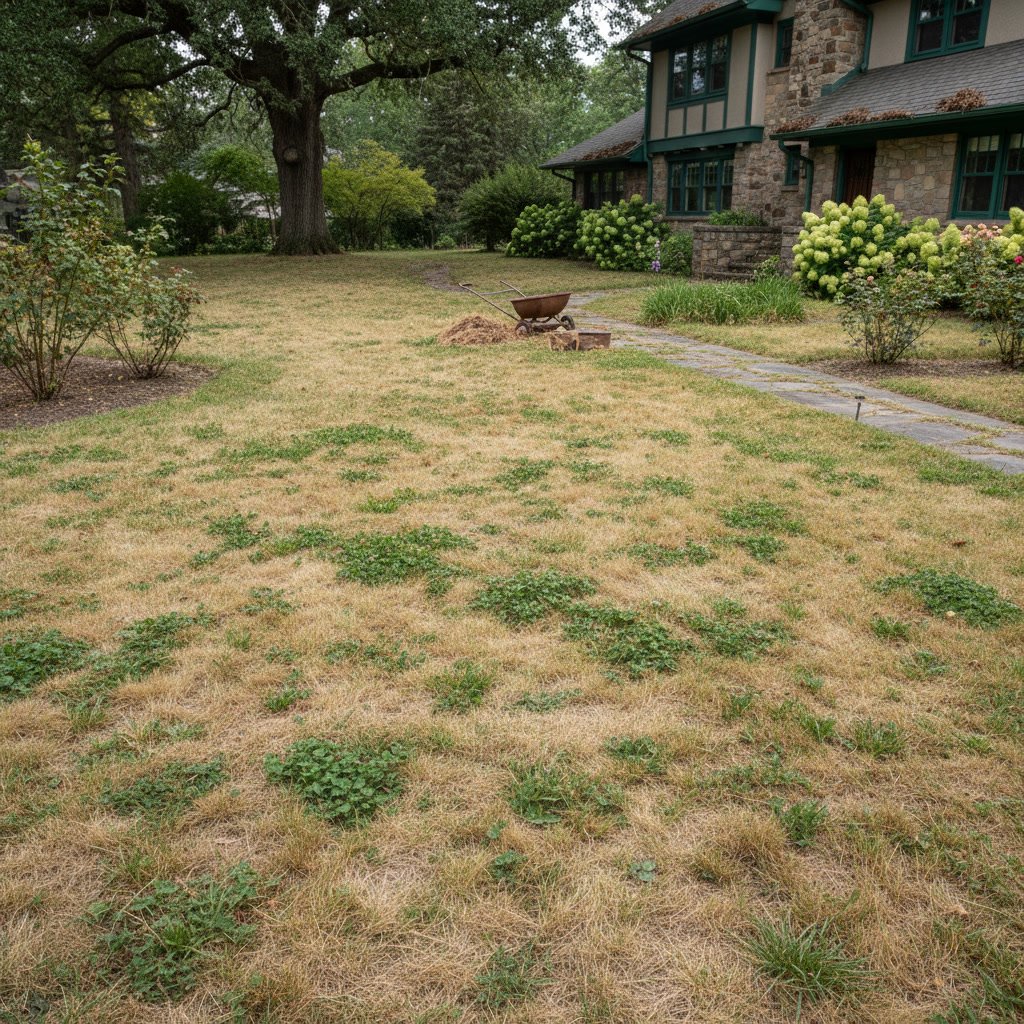
Consider the cost of deferred maintenance. Skipping fertilization might save $1,200 this year, but renovating damaged turf costs $3 to $6 per square foot. Regular dethatching and aeration prevents soil compaction and turf decline, offering significant return on investment compared to replacement costs.
When to Invest More in Property Maintenance
Certain commercial properties justify above-average maintenance investments. High-visibility retail locations, professional office parks, and properties in competitive markets benefit disproportionately from exceptional landscape presentation.
First impressions matter enormously in commercial real estate. Research consistently shows that well-maintained exteriors increase perceived property value by 10 to 15 percent and can command premium lease rates. If your property competes for quality tenants, excellent maintenance pays for itself through higher occupancy and rental income.
Properties with significant hardscape features, water elements, or specialty plantings require expert care that costs more than basic maintenance but prevents expensive failures. Neglected irrigation systems can cause foundation damage costing tens of thousands to repair. Poorly maintained retaining walls create liability issues that dwarf maintenance expenses.
Seasonal color programs, enhanced mulch applications, and specialty lighting increase curb appeal substantially but add 20 to 40 percent to baseline maintenance budgets. These upgrades make sense for properties where appearance directly influences business outcomes, such as restaurants, hotels, medical facilities, or high-end retail.
Comparing Proposals and Service Providers
Not all maintenance contracts deliver equal value. When evaluating proposals, look beyond the bottom-line price to understand what you actually receive and how service delivery occurs.
Request detailed scope documents that specify service frequency, seasonal timing, and quality standards. A proposal stating “lawn maintenance” provides no useful information. Quality proposals specify mowing height, clipping disposal methods, edging frequency, and response times for issues.
Verify insurance coverage and licensing. Commercial property maintenance involves significant liability exposure. Ensure your provider carries general liability insurance of at least $1 million and workers’ compensation coverage for all employees. Pesticide applications require appropriate state certifications.
Check references from similar properties. A provider excelling at residential maintenance may lack the equipment, staffing, or systems to handle commercial properties efficiently. Ask for client references managing properties comparable in size and complexity to yours.
Key Takeaway: The lowest bid often becomes the most expensive choice. Inadequate maintenance leads to landscape decline, emergency repairs, and eventual renovation costs that far exceed the savings from choosing budget providers.

Additional Services That Impact Total Costs
Many commercial properties require services beyond standard maintenance contracts. Understanding these add-on costs helps you budget comprehensively and avoid surprise expenses.
Irrigation Management
Properties with permanent irrigation systems need spring startup, fall winterization, and mid-season adjustments. These services cost $300 to $800 annually depending on system complexity. Repair costs vary widely, from $75 for a broken sprinkler head to $2,000 for controller replacement or major line repairs.
Smart irrigation controllers reduce water costs 20 to 40 percent through weather-based scheduling. While the initial investment runs $500 to $1,500, annual water savings often justify the upgrade within two to three years.
Tree and Shrub Care
Mature trees require periodic pruning, disease monitoring, and sometimes removal. Professional tree services charge $150 to $500 per tree for pruning, while removal costs $400 to $2,000 depending on size and site access. Proactive care through regular inspections prevents emergency removals that disrupt operations and cost significantly more.
Shrub replacement occurs every 10 to 20 years as plants outgrow spaces or decline from age. Budget $50 to $300 per shrub depending on mature size, with installation adding $75 to $150 per plant in labor costs.
Parking Lot and Hardscape Maintenance
While not always included in landscape maintenance contracts, parking lot sweeping, line striping, and pothole repair contribute to overall property appearance. These services often require separate vendors but factor into comprehensive property care budgets.
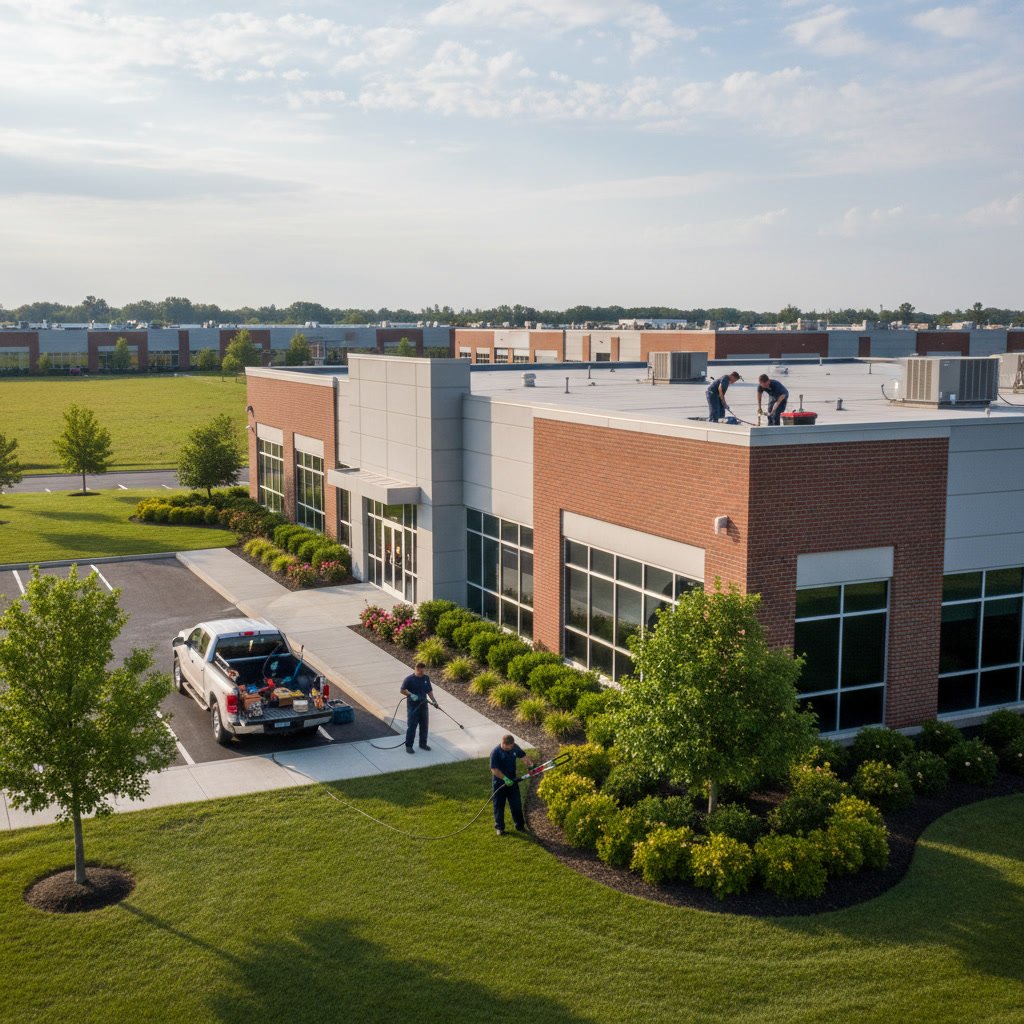
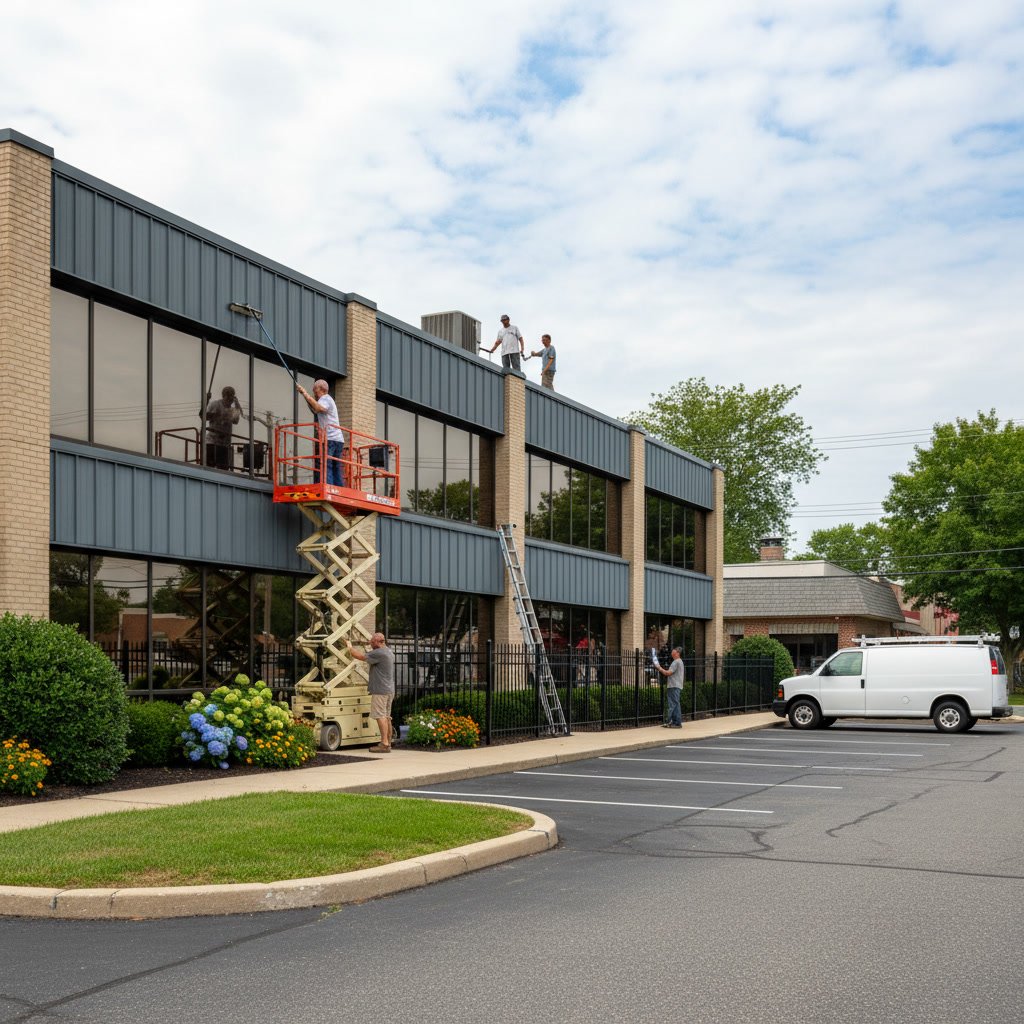
Pressure washing sidewalks, building exteriors, and paved areas removes organic buildup and maintains professional appearance. Commercial properties typically pressure wash annually at costs ranging from $200 to $1,000 depending on area and accessibility.
Frequently Asked Questions
How much should I budget annually for commercial property maintenance in Farmingdale?
Most commercial properties in Farmingdale should budget $15,000 to $40,000 annually for comprehensive maintenance, including lawn care, seasonal services, snow removal, and basic landscape upkeep. Properties under 10,000 square feet may spend $8,000 to $18,000, while larger complexes often exceed $60,000 annually. Your specific cost depends on property size, landscape complexity, and desired service levels.
Is it cheaper to hire individual contractors or use one full-service provider?
Full-service providers typically offer better value and convenience for commercial properties. While individual specialists might charge less per service, coordinating multiple contractors increases administrative burden and creates gaps in care. Bundled contracts often include volume discounts and eliminate coordination hassles. Full-service providers also maintain consistent quality standards across all maintenance aspects.
What is the typical contract length for commercial property maintenance?
Most commercial maintenance contracts run 12 months with automatic renewal clauses. Annual agreements provide pricing stability and ensure year-round coverage including snow removal. Some providers offer month-to-month arrangements, but these typically cost 15 to 25 percent more than annual commitments. Multi-year contracts occasionally provide additional savings but reduce flexibility to adjust service levels.
How often should commercial properties receive landscape maintenance visits?
Weekly service during the growing season maintains optimal appearance for most commercial properties. This frequency prevents overgrowth, maintains consistent presentation, and addresses issues before they become problems. During dormancy, many properties reduce to bi-weekly or monthly visits focused on cleanup and preparation tasks. High-visibility properties sometimes schedule twice-weekly service during peak season.
What questions should I ask when getting property maintenance quotes?
Ask providers to specify exact services included, service frequency, seasonal timing, and quality standards. Inquire about insurance coverage, employee training, equipment maintenance protocols, and backup plans for weather delays or equipment failures. Request references from similar commercial properties and ask how the provider handles service issues or quality concerns. Clarify billing structure, payment terms, and procedures for adding or removing services mid-contract.
Planning Your Commercial Property Maintenance Investment
Property maintenance cost for commercial properties in Farmingdale reflects the investment required to maintain professional appearance, ensure safety, and protect property value. While costs vary based on property size, complexity, and service scope, most commercial properties budget $1,200 to $3,500 monthly for comprehensive year-round care.
Effective budgeting accounts for regular maintenance, seasonal services, occasional major expenses, and the cost of deferred maintenance. The lowest-cost provider rarely delivers the best value. Quality maintenance prevents expensive problems and supports property value far beyond the monthly service cost.
Clean Cut Landscaping LLC provides comprehensive property maintenance services throughout Farmingdale and surrounding Long Island communities. Our commercial maintenance programs deliver consistent quality, responsive service, and transparent pricing that helps property managers budget confidently. Contact us at +16315301109 to discuss your property’s specific needs and receive a detailed maintenance proposal tailored to your requirements and budget.