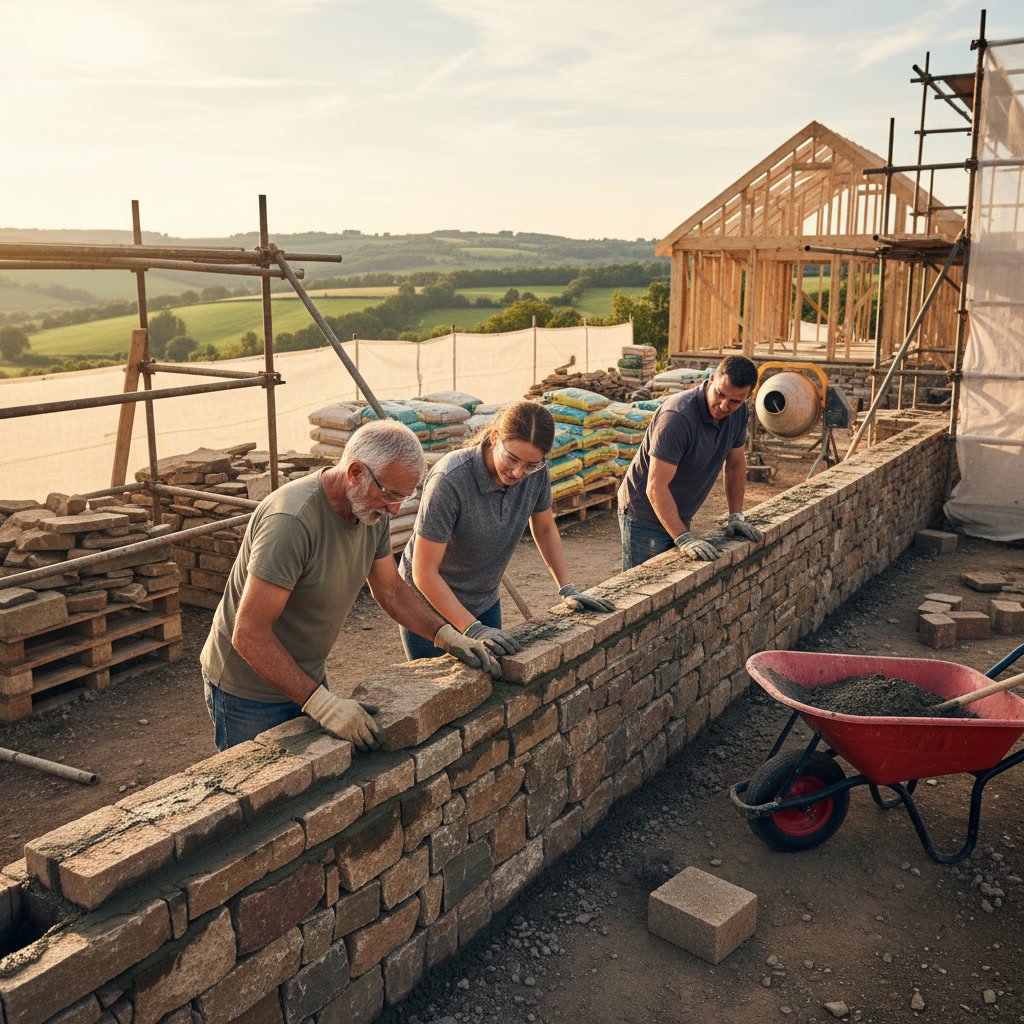
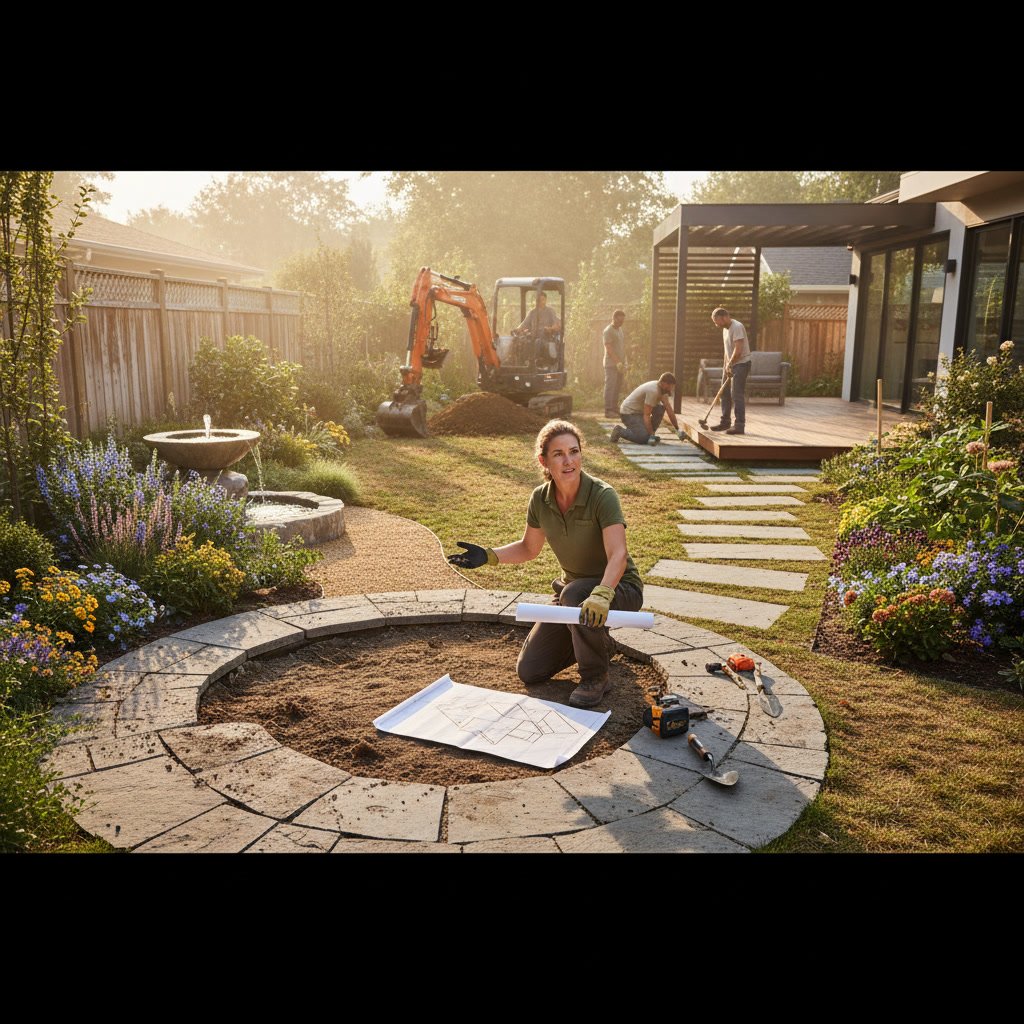
Professional landscape design transforms neglected, outdated yards into cohesive outdoor spaces that serve specific purposes while boosting curb appeal and property value. The landscape design process begins with a thorough site assessment, moves through conceptual planning and material selection, and concludes with installation and long-term maintenance strategies. Unlike simple lawn care, comprehensive design addresses drainage issues, creates distinct zones for entertaining or relaxation, and integrates hardscaping elements that require minimal upkeep while delivering maximum impact.
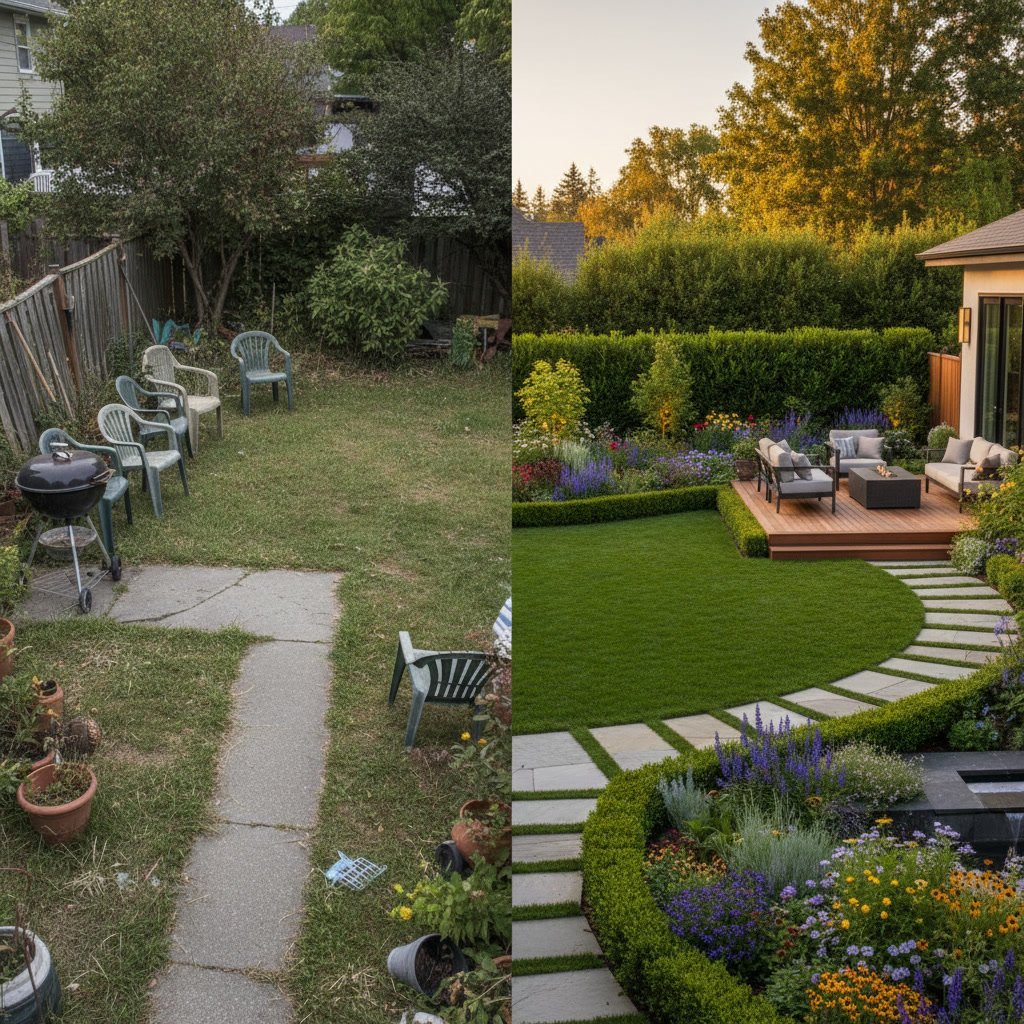
Many homeowners inherit yards that function poorly. Patchy grass competes with weeds, overgrown shrubs block windows, and cracked concrete walkways pose safety hazards. Without a clear plan, attempts to improve these spaces often result in wasted money on plants that die or features that clash with the home’s architecture.
Why Most Yards Fail to Reach Their Potential
The typical residential lot starts with builder-grade landscaping: a few foundation shrubs, a basic lawn, and little else. Over time, these plantings either outgrow their spaces or decline due to improper care. Homeowners add elements piecemeal without considering how each component relates to the whole.
Common problems include poor drainage that creates mud pools after rain, lack of shade in areas meant for relaxation, and no clear pathways connecting different parts of the yard. Trees planted too close to foundations cause structural damage, while beds placed without regard for sun exposure struggle to support healthy plant growth.
How Professional Design Differs from DIY Approaches
Professional designers bring expertise in horticulture, grading, drainage, and spatial planning. They understand which plants thrive in specific microclimates, how to route irrigation efficiently, and which materials withstand freeze-thaw cycles in coastal environments.
A trained eye recognizes opportunities invisible to untrained observers. For example, a sloped yard that seems like a liability becomes an opportunity for terraced beds, rock walls, or a multi-level patio that creates visual interest and usable square footage. Professional designers also have relationships with suppliers, ensuring access to quality materials and plants not available at big-box retailers.
The Initial Site Assessment and Discovery Phase
Every successful transformation starts with understanding existing conditions. Professionals measure the site, note sun and shade patterns throughout the day, test soil composition and pH, and identify drainage patterns. They document existing utilities, easements, and setback requirements that govern what can be built and where.
This phase includes a conversation about how you actually use your outdoor space. Do you entertain large groups or prefer quiet mornings with coffee? Do children or pets require durable turf and safe boundaries? How much time can you realistically devote to maintenance? Honest answers to these questions prevent expensive mistakes and ensure the final design aligns with your lifestyle.
Creating Functional Zones in Lindenhurst Properties
Effective landscape design divides yards into distinct zones, each serving a specific purpose. A well-planned property might include a dining area near the kitchen door, a fire pit zone for cool evenings, a play area visible from indoor living spaces, and a secluded garden nook for reading.
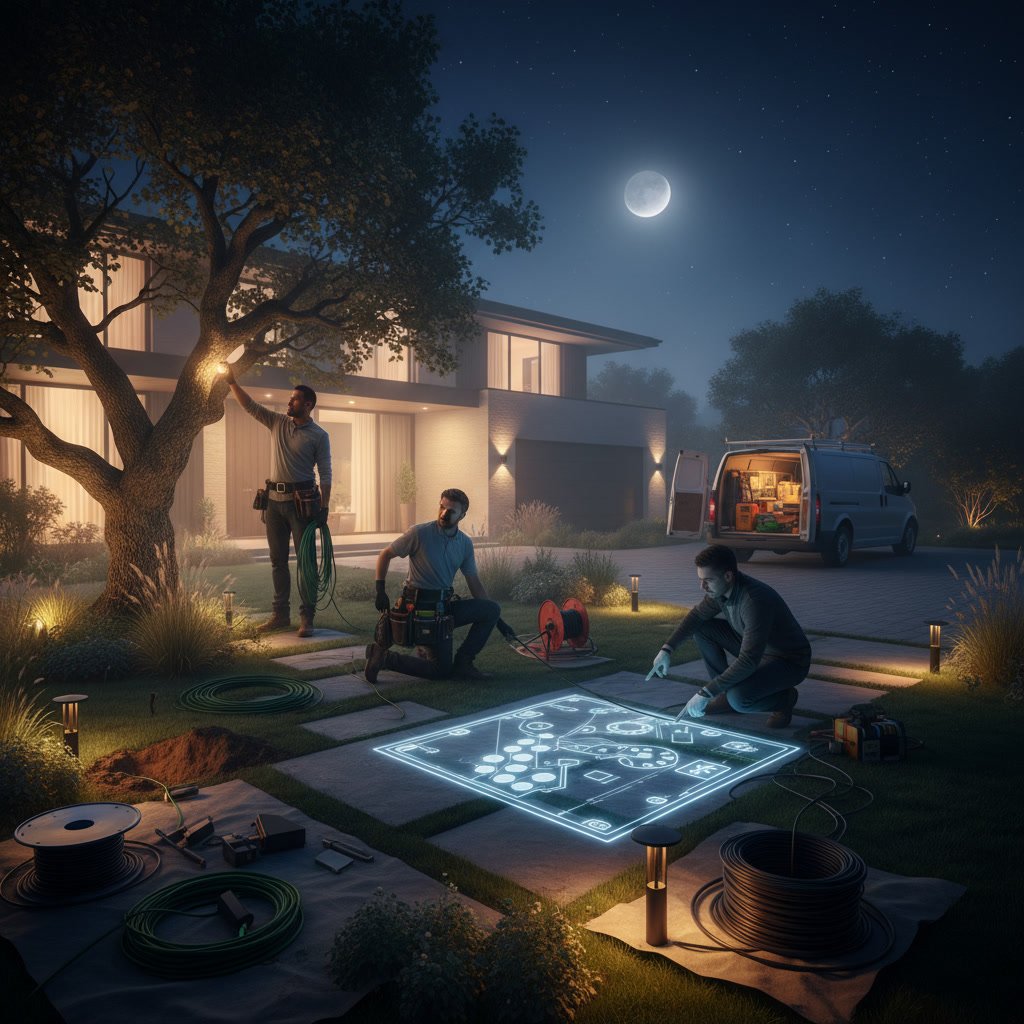
Professional designers use plantings, grade changes, and structures to define these zones without erecting visual barriers that make spaces feel cramped. A low planting bed or a change in paving material can signal a transition between areas while maintaining an open feel. Outdoor lighting further reinforces these zones, making each area usable after dark while highlighting key features.
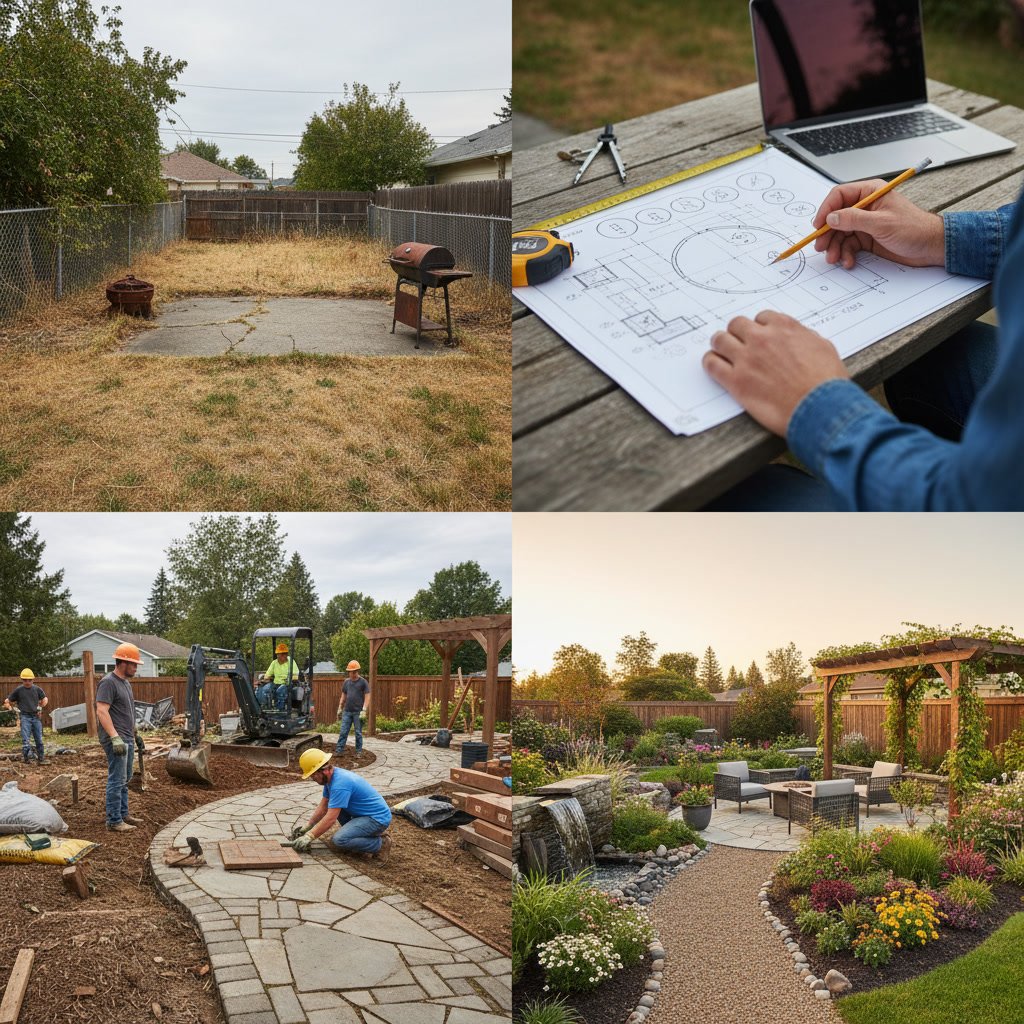
Step-by-Step Breakdown of the Design Build Process
Once the assessment is complete, designers create a master plan that shows all proposed elements in scale. This document serves as a roadmap for the entire project and allows you to visualize the finished space before any ground is broken.
Step one involves conceptual sketches that explore different layout options. You review these and provide feedback, guiding the designer toward solutions that match your vision.
Step two produces detailed plans with exact measurements, plant lists, and material specifications. These documents include elevations and cross-sections for complex features like retaining walls or outdoor kitchens.
Step three covers permitting and approvals if required. Many municipalities regulate hardscaping, grading changes, and structures, so professional designers navigate these requirements to keep projects compliant.
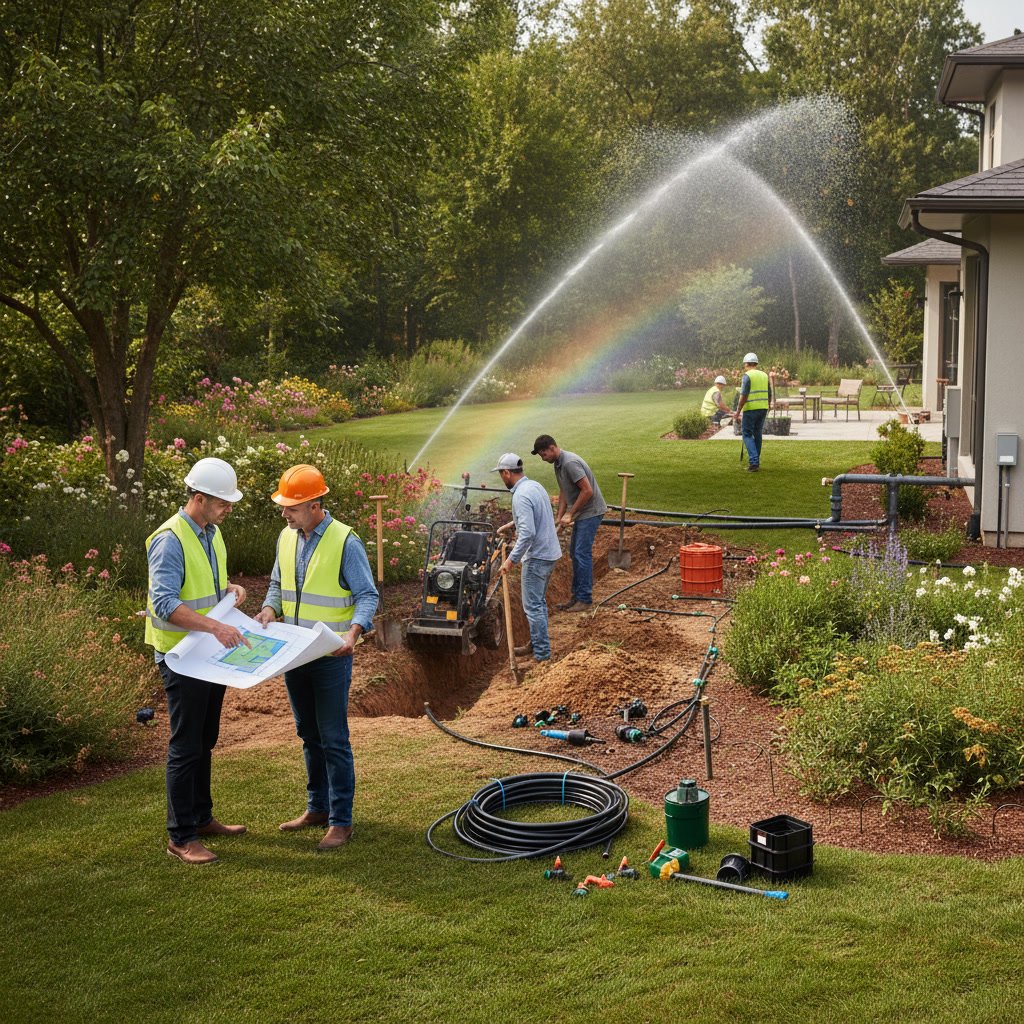
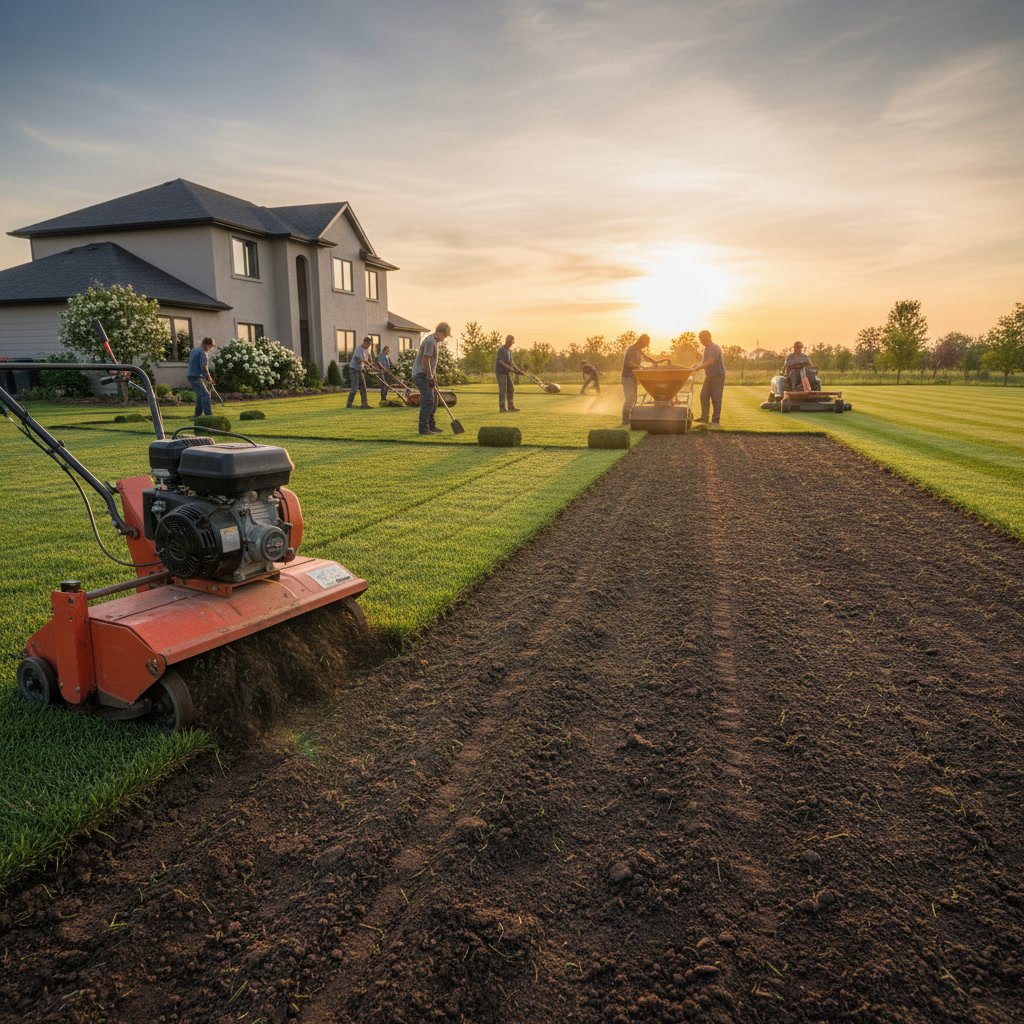
Step four is installation, sequenced to minimize disruption. Heavy equipment completes grading and excavation work first, followed by underground utilities like irrigation design and installation, then hardscaping, and finally plantings.
Selecting Materials That Perform in Coastal Climates
Long Island’s salt air, freeze-thaw cycles, and sandy soil demand careful material selection. Not every paver or wall stone withstands these conditions equally well. Professionals specify materials proven to last in coastal environments, avoiding products that crack, fade, or deteriorate within a few seasons.
Natural stone often outperforms concrete in harsh climates, though both have appropriate applications. Wood choices matter significantly for decking and fencing, with certain species and treatments resisting rot and insect damage better than others. Expert designers balance durability, aesthetics, and budget to deliver value that lasts decades rather than years.
Integrating Hardscape and Softscape Elements
The most compelling outdoor spaces blend hardscape and softscape seamlessly. Patios feel more inviting when bordered by lush plantings that soften edges and provide privacy. Walkways gain character when groundcovers spill between pavers, creating a lived-in look without appearing unkempt.
Professionals understand proportions. A massive patio surrounded by a thin strip of plants looks sterile, while generous planting beds that frame and partially enclose hardscaped areas create intimacy and visual balance. Vertical elements like tree and shrub installation add height variation that prevents flat, monotonous landscapes.
Solving Drainage and Grading Challenges
Many outdated yards suffer from standing water, erosion, or runoff that damages foundations. Professional design corrects these issues through strategic grading, swales, and drainage systems that redirect water away from structures and toward appropriate discharge points.
Sometimes the solution involves raising planting beds or installing French drains. Other situations call for rain gardens that capture runoff and filter it naturally. Designers calculate slopes precisely, ensuring water moves efficiently without creating new problems elsewhere on the property. Proper grading also creates level areas for patios and lawns where none existed before.
Similar attention to soil quality and proper preparation makes the difference between plants that thrive and those that merely survive. Understanding when timing matters for major installations prevents costly failures.
Adding Features That Extend Usability
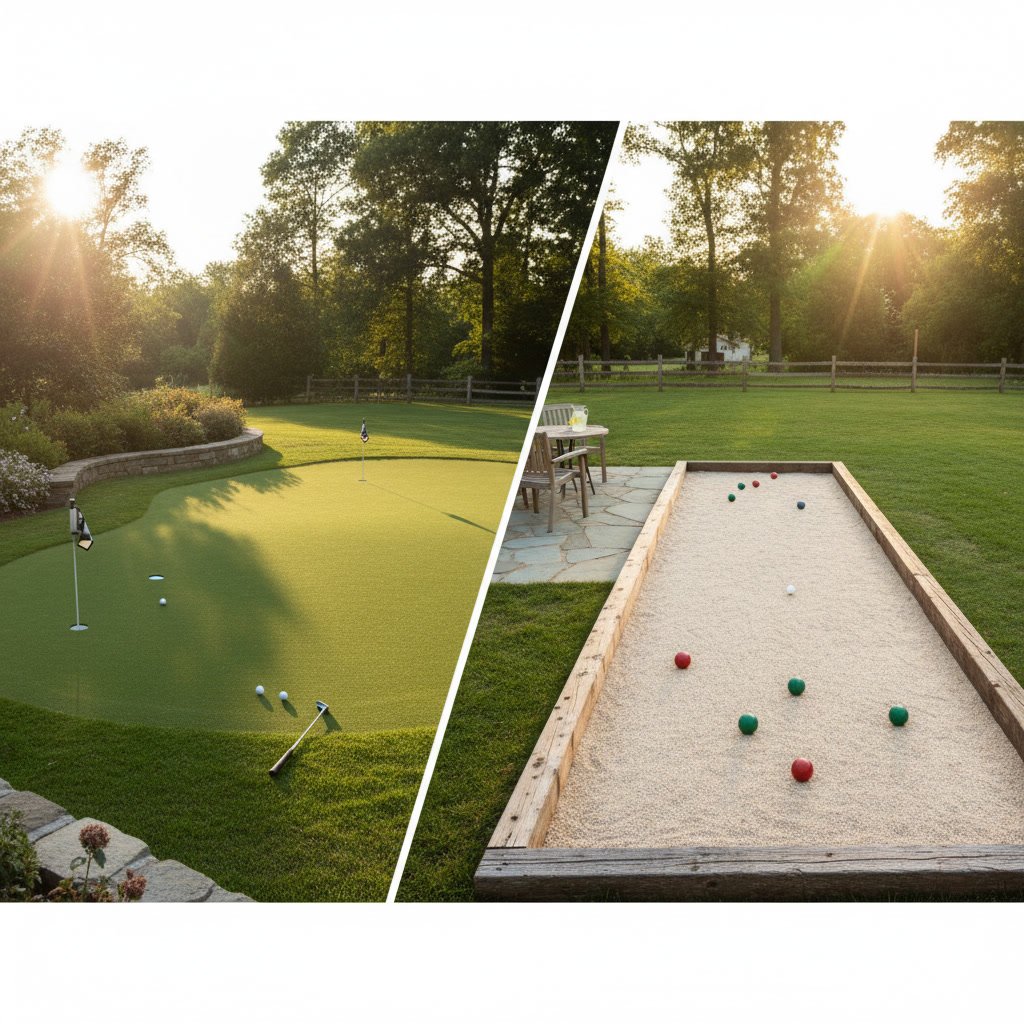
Thoughtfully placed features transform yards from spaces you walk through into destinations you seek out. A well-designed outdoor kitchen expands entertaining capacity and keeps cooking heat outside during summer. Comfortable seating areas with overhead cover provide refuge from midday sun while maintaining airflow.
Fire features extend the outdoor season into cool spring and fall evenings, creating gathering spots that draw people outside. Water features add soothing sound that masks neighborhood noise, turning ordinary yards into private retreats. Each addition should serve a clear purpose tied to how you live, not just follow trends.
Long-Term Maintenance and Seasonal Adjustments
The best designs anticipate maintenance requirements and match them to your available time and interest. Low-maintenance landscapes rely on native and adapted plants, efficient irrigation, and durable materials that age gracefully. High-maintenance designs suit enthusiastic gardeners who enjoy hands-on care.
Professional designers specify plants based on mature size, eliminating the constant pruning required when fast-growing species are crammed into tight spaces. They group plants with similar water and nutrient needs, making property maintenance more efficient. Seasonal adjustments keep spaces looking fresh without requiring complete overhauls every few years.
Bringing Your Vision to Life With Expert Guidance
Transforming an outdated yard into a functional, beautiful outdoor space requires planning, expertise, and quality execution. The right design solves practical problems while creating an environment you genuinely want to spend time in. It increases property value, reduces maintenance headaches, and delivers enjoyment for years to come.
Professional landscape design turns abstract ideas into concrete plans, navigates technical challenges, and coordinates the many trades required to complete complex projects. The result is a cohesive outdoor environment tailored to your specific property and lifestyle rather than a collection of disconnected elements.
Clean Cut Landscaping LLC has transformed countless properties across Long Island, bringing over a decade of design and installation experience to every project. Whether your yard needs a complete overhaul or targeted improvements to specific areas, our team develops solutions that balance aesthetics, functionality, and long-term performance. Call +16315301109 to schedule a site assessment and discover how professional design can unlock your property’s full potential.